What Is a Decision Stress Test?
A pre-commitment analysis of a critical business move. It creates a repeatable, structured testing setup using a Decision Twin and Stress Logic. It is an expert-led process — not standalone software. The objective: surface failure modes before resources are committed and reversibility is gone.
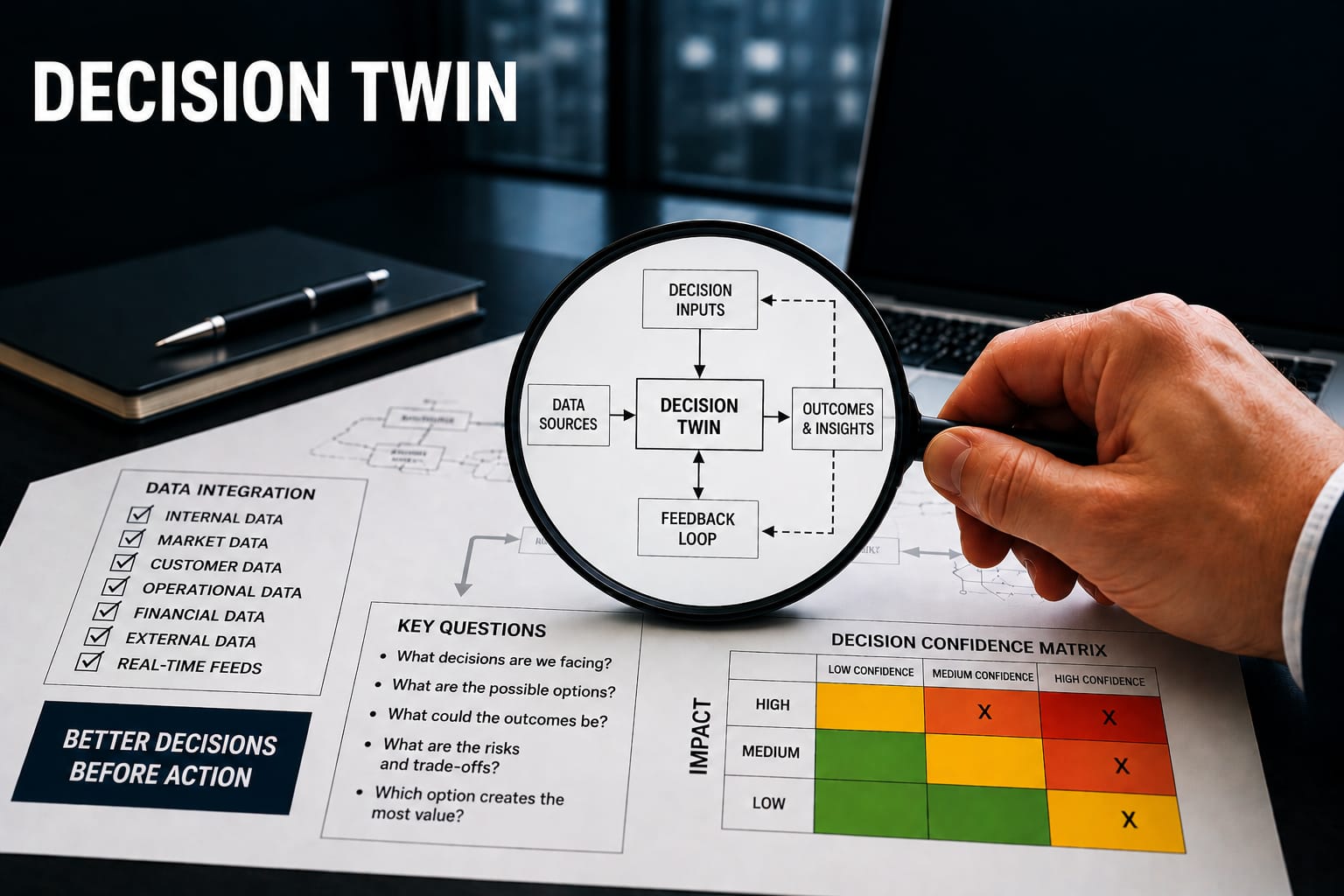
What Is a Decision Twin?
A testable model of the business reality behind one critical move. It models what determines whether that move succeeds or fails:
Economics · Customers · Operations · Dependencies · Risks · Assumptions · Constraints
Not the entire company. Not every system. Only the reality that matters for the move being tested.
What Is Stress Logic?
Most analyses test individual answers.
Stress Logic tests whether the entire move still works when assumptions, dependencies, and consequences interact.
Because business failures rarely come from one wrong answer.
They come from the interaction of multiple assumptions that fail together.
Unlike standard sensitivity analysis, Stress Logic does not test variables in isolation. It tests how assumptions, dependencies, constraints and consequences interact — and which combinations can break the move.
The question is not: Is this right?
The question is: Does the move still hold when reality changes?
Repeatable by Design
Once a Decision Twin exists, new realities can be tested without rebuilding from zero.
- New market research
- New competitors
- New regulations
- New cost structures
- New technologies
- New customer behavior
- New strategic options
The first test asks: Does the move hold today?
Every test after: Does it still hold under the new conditions?
Three Modes
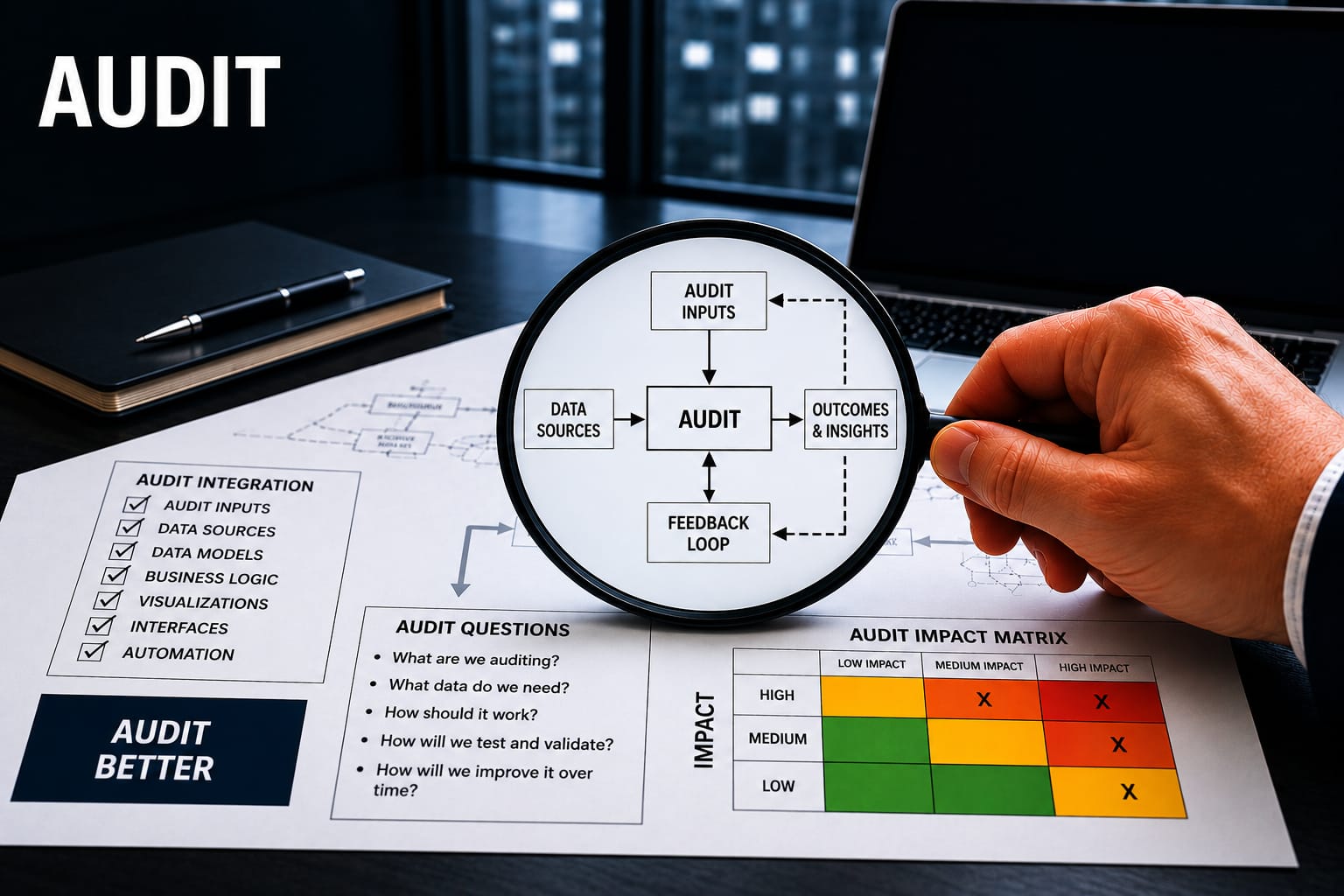
Audit — Tests a plan that already exists.
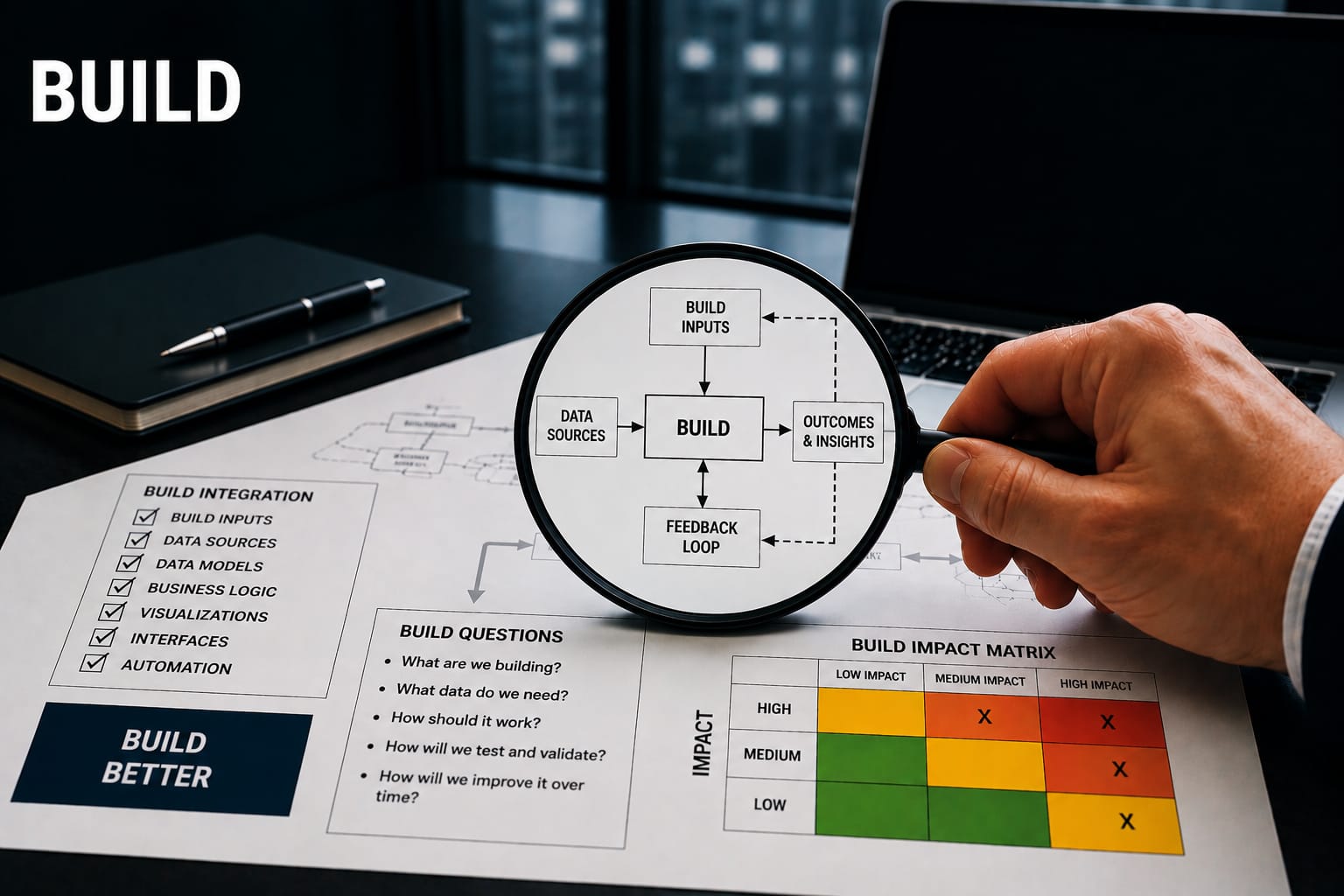
Build — Builds the plan first, then tests it.
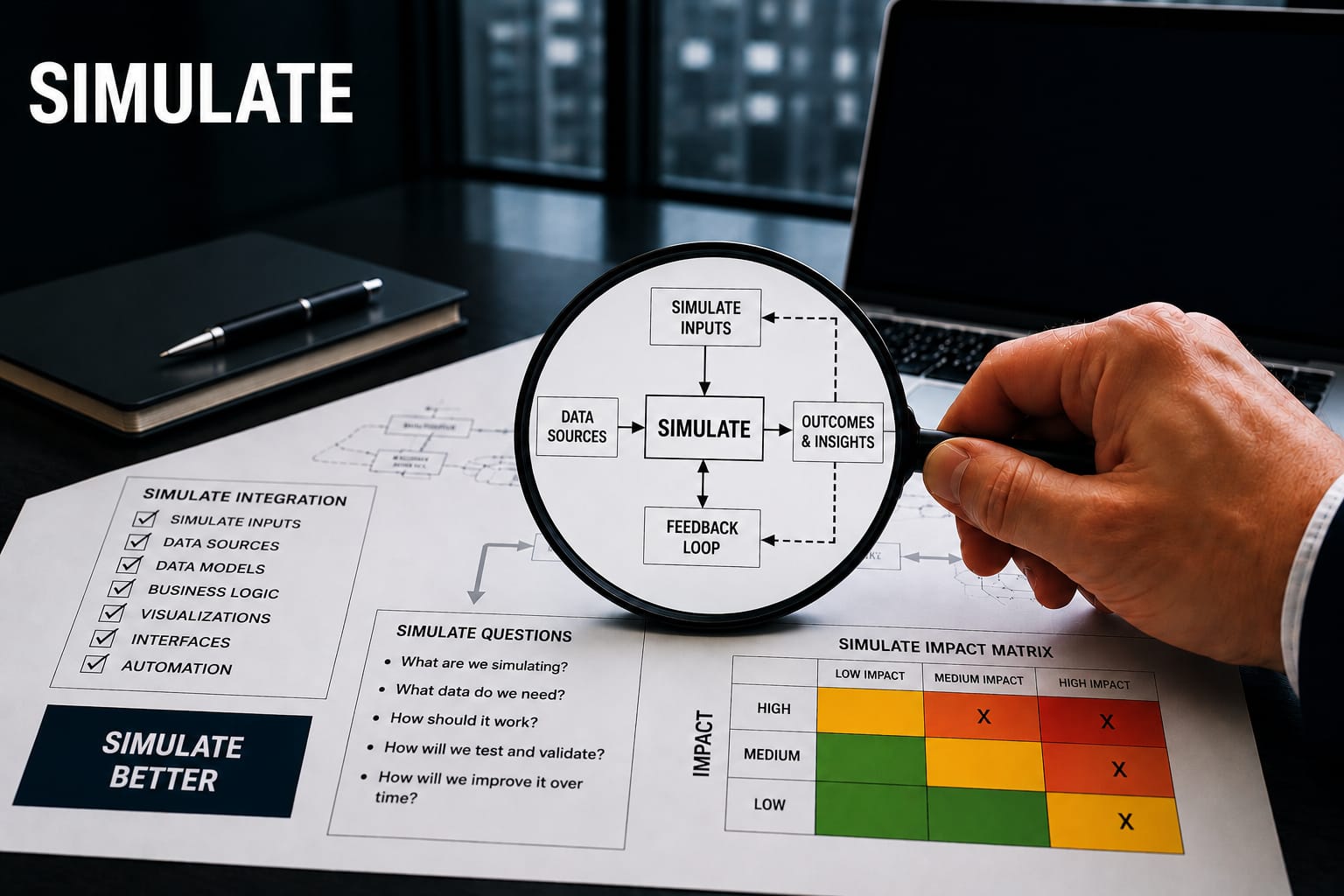
Simulation — Tests what happens when surrounding reality shifts.
A Move That Passed Every Individual Check — and Still Broke
A mid-market manufacturer planned entry into a new European market. Every assumption looked defensible on its own:
— Demand forecast: conservative, validated by third-party research.
— Local pricing: 8% below incumbents, margin still positive.
— Distribution: signed letter of intent with a regional partner.
— Ramp-up: 14 months to break-even, fully funded.
Each number survived scrutiny in isolation. The plan was approval-ready.
Stress Logic tested them together.
The breakpoint: the margin at the planned price only held if volume hit forecast — but the forecast assumed the partner's existing sales force, while the partner's contract let them deprioritize new lines in their first year. Lower early volume meant higher unit cost, which turned the 8% price advantage negative, which pushed break-even past the funding window.
Three assumptions that each held alone. Together, a financing gap no one had on the table.
Result: Not a No-Go. A Revise — re-sequence the partner commitment and add a volume floor before capital release. The move proceeded twelve weeks later, on terms that held.
Illustrative, anonymized example.
Three Levels
| Single | One critical move. |
| Business | One business area. |
| Enterprise | The full organization. |
Every level produces the same repeatable stress-test setup. The levels only define how much business reality is modeled: one move, one area, or the full enterprise.
What the AI Does — and What It Doesn't
UDITA does not compete with AI. UDITA directs it.
What the AI does:
— Extracts the implicit assumptions in a plan or model.
— Maps them into a dependency structure.
— Runs the combinations that break the move.
— Surfaces contradictions a single reviewer would miss.
What it does not do: decide what matters. The framework defines which dependencies are load-bearing and where the breakpoint changes the answer.
That is why better models make the test sharper, not redundant. A stronger engine explores more reality. It still needs a frame that knows what it is looking for.
What You Receive
Every engagement produces:
- Decision Twin Snapshot
- Stress Logic Map
- Breakpoints
- Conditions for proceed, revise, pilot, or stop
- Executive Decision Brief
| Single Level | 3–5 working days |
| Business Level | 1–3 weeks |
| Enterprise Level | Scoped individually |
UDITA Stress Logic is a proprietary, dependency-aware testing framework developed from executive operating experience. It uses AI, quantitative modeling, and structured facilitation — but it is not generic AI output and not a standard Monte Carlo tool.
About the Creator
Developed from 35+ years of executive leadership, transformation, growth, and P&L responsibility across international businesses — from large-scale turnarounds to high-growth expansions.
Bernd Eigendorf